Drug-device combination development and manufacturing services

OneSource delivers fully integrated drug-device-combination (DDC) development and manufacturing services, supporting the design, integration, and large-scale assembly of self-injection systems. From early device strategy through automated commercial production, we help bring complex drug-device-combination products to market with precision, speed, and confidence.

Speak with our DDC team

An integrated platform for drug-device combination products

Combination products introduce a different level of complexity. Success depends not only on the drug or the device, but on how effectively the two are developed, integrated, and manufactured as a single system. OneSource is structured to support this integration from the outset. Programs may begin with an established device for tech transfer, or earlier with device evaluation and selection aligned to formulation, delivery requirements, and regulatory expectations.

Within this model, critical activities are unified across a single program structure:

Drug substance and drug product development

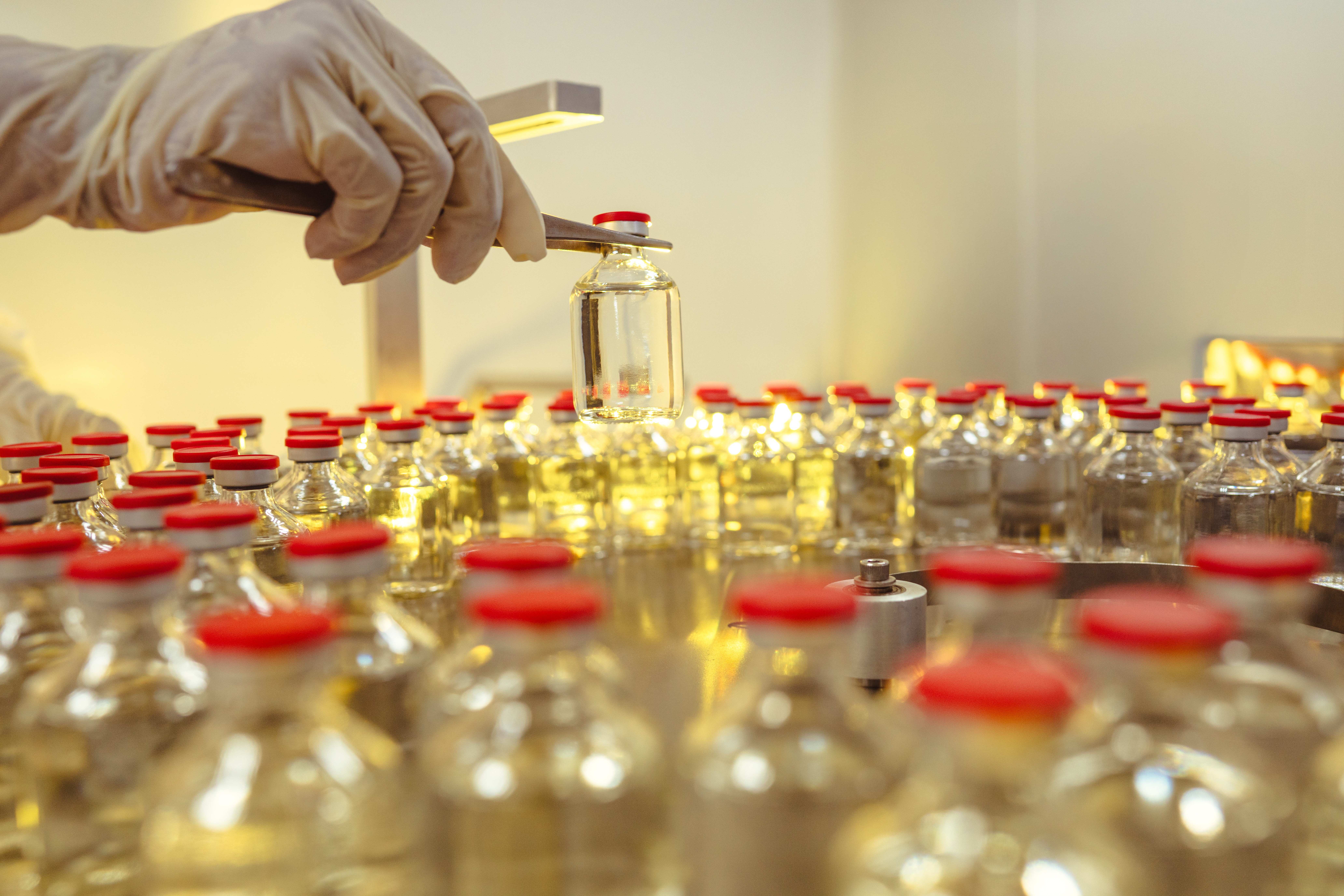
Fill-finish and primary container preparation

Device integration and assembly

Packaging and serialization

Testing for all the Essential performance requirements

By aligning these elements within one operational framework, OneSource reduces handoff risk, simplifies program management, and accelerates timelines.

10

device platforms being handled

55+

years of combined device and CMC experience

20+

years of vendor relationships for sterile manufacturing and assembly

24+

completed or ongoing drug device combination product projects across diverse therapeutic modalities

140+

tech transfer batches successfully completed in last 15 months

Supporting the next generation of self-administered therapies

Drug-device-combination products are increasingly defined by the shift toward self-administration and subcutaneous delivery. As therapies move closer to the patient, delivery systems must balance usability, dosing precision, and real-world performance.

OneSource supports a range of injection-based platforms, each with distinct requirements:

Format Equipment Working Range
Cartridge
Bausch and Strobel filling line integrated with Steriline isolator
Tofflon filling line (under validation, planned future capacity)
1.5ml – 180 cartridges/min
1.8ml – 180 cartridges/min
3.0ml – 140 cartridge/min
Pre-filled Syringes Bausch and Strobel filling line integrated with Steriline isolator 1.0ml long with needle shield
10 x 16 format – 124 syringes/min
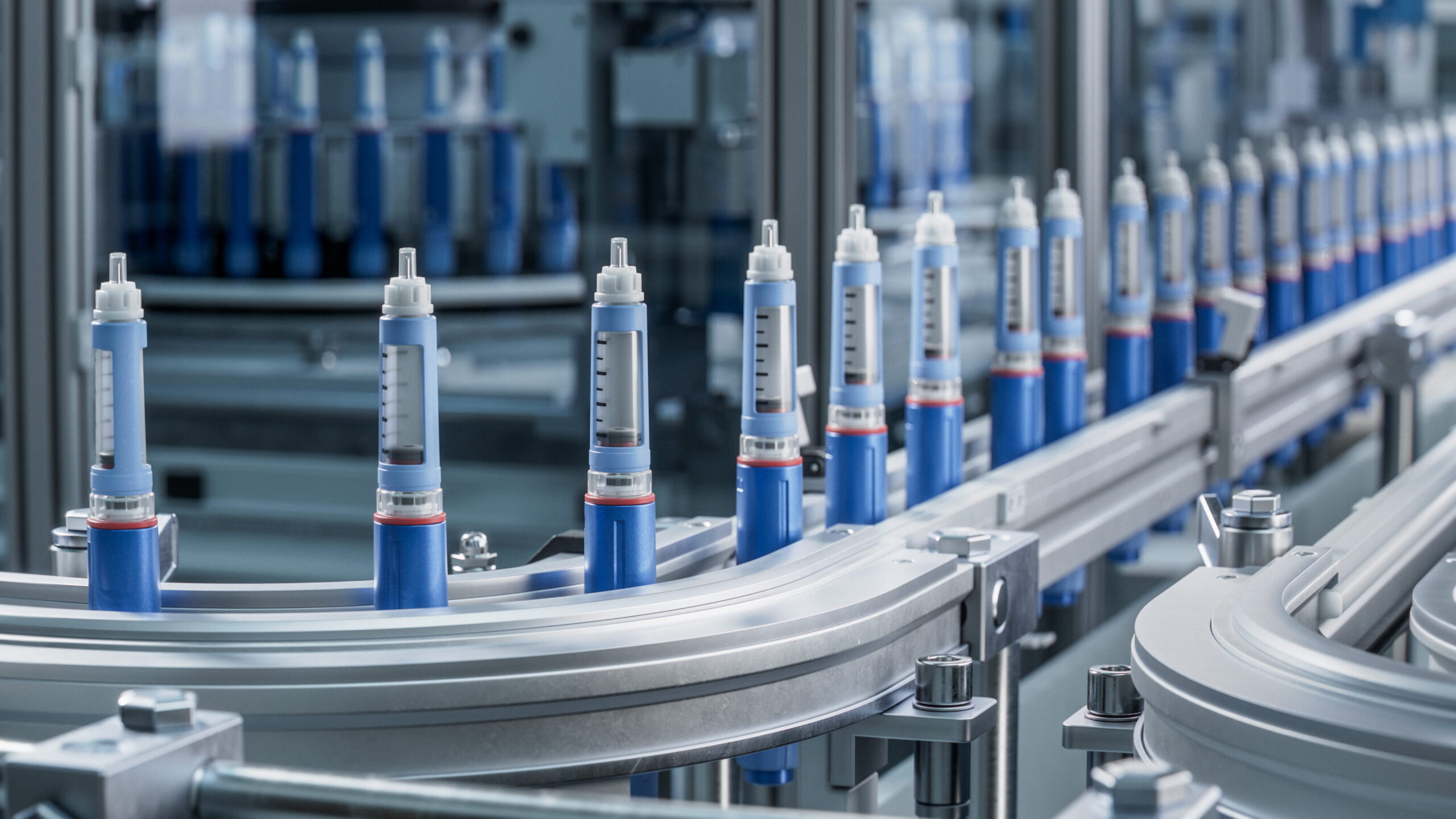
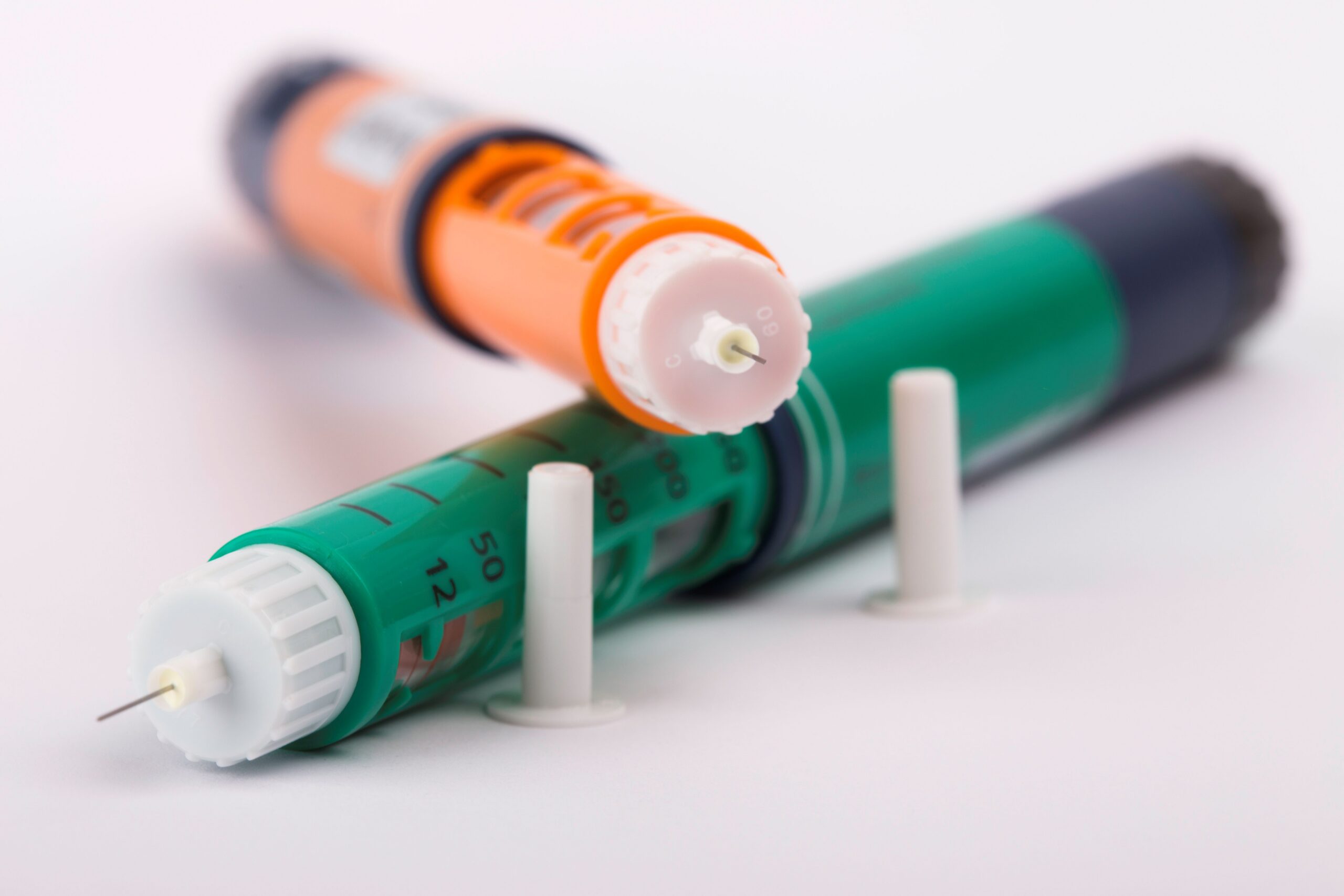
Pen and Autoinjectors Flexiefficad / Mikron / Tofflon 10 – 200 PPM (From EB to Commercial)


The choice of format impacts everything from sterilization and filling strategies to assembly processes and packaging design. As biologics evolve toward higher concentrations and longer delivery times, systems such as wearables and extended delivery devices are expected to play a greater role, and OneSource is positioned to support that transition.
Development that starts with the full product in mind

A key risk in drug-device-combination product development is treating the drug and device as separate workstreams. At OneSource, development begins with the understanding that the final product is the combination itself.

Device considerations are introduced early, often at the proposal stage, to ensure alignment across formulation, delivery requirements, and system constraints. This early integration helps avoid late-stage redesign and reduces overall program risk.


Development activities typically include:

  • Device selection or evaluation based on delivery requirements
  • Assessment of formulation compatibility (e.g., viscosity, sensitivity)
  • Test method absorption or development
  • Development support with device supplier or technical review & absorption
  • Definition of assembly processes and critical parameters
  • Identification and mitigation of integration risks

This approach is reinforced by human factors principles, ensuring that usability, error prevention, and patient interaction are considered alongside technical performance.

Drug Product and Drug Device Integration

OneSource’s model integrates drug product manufacturing with drug device production.

Facilities designed for integrated assembly and scale

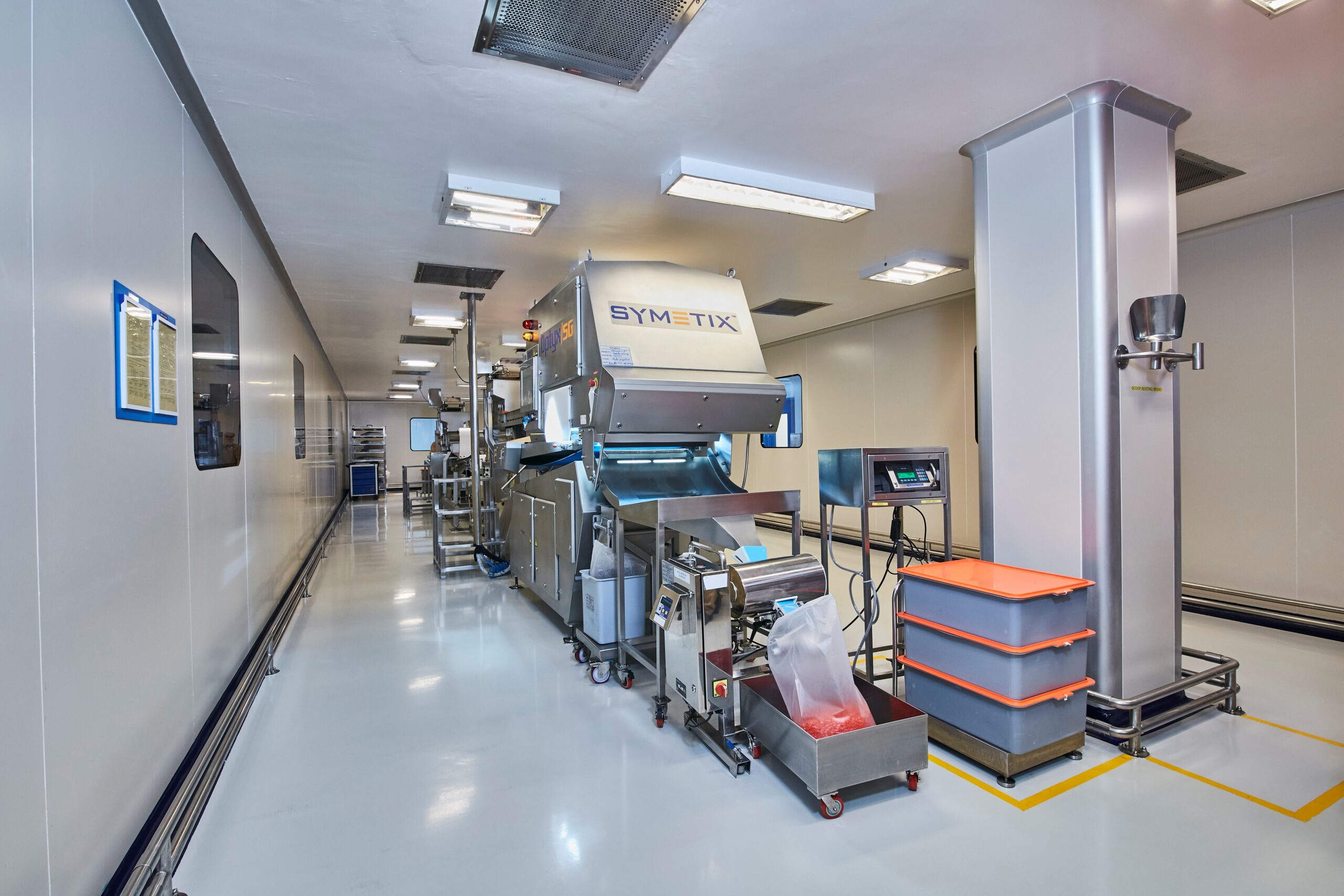
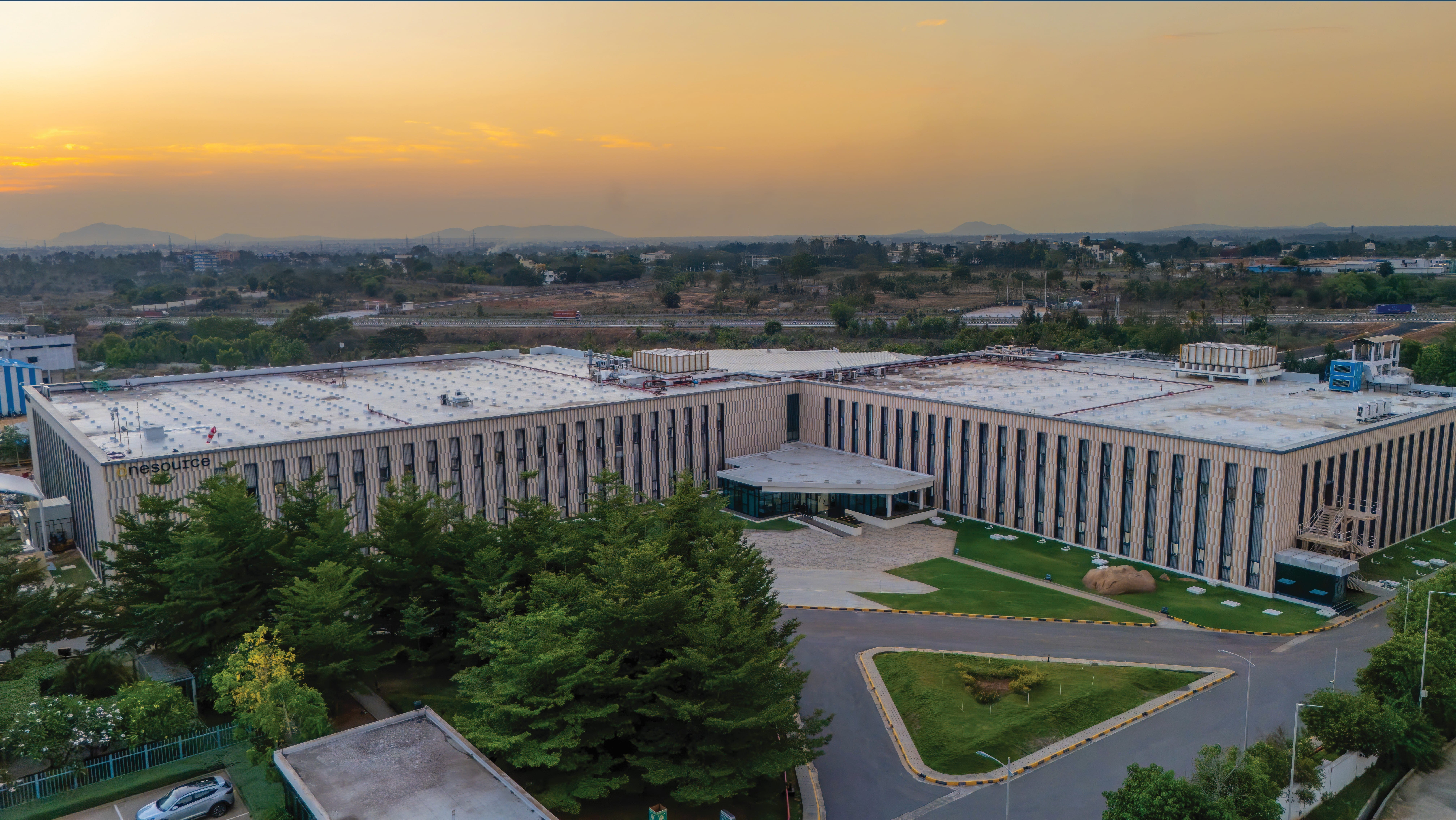
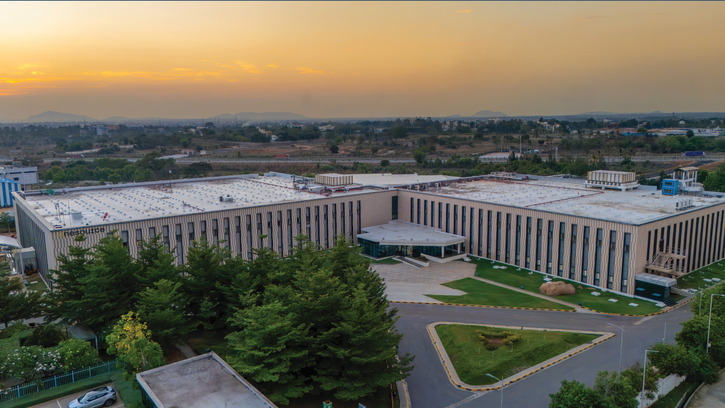
Drug-device-combination product programs at OneSource are supported by the flagship manufacturing facility, where fill-finish, device assembly, and packaging operations are co-located.

This integrated environment allows programs to move seamlessly from sterile filling through final assembly and packaging, without the complexity of managing multiple vendors or sites. It also ensures alignment between process design and manufacturing execution.

Assembly systems for precision and flexibility

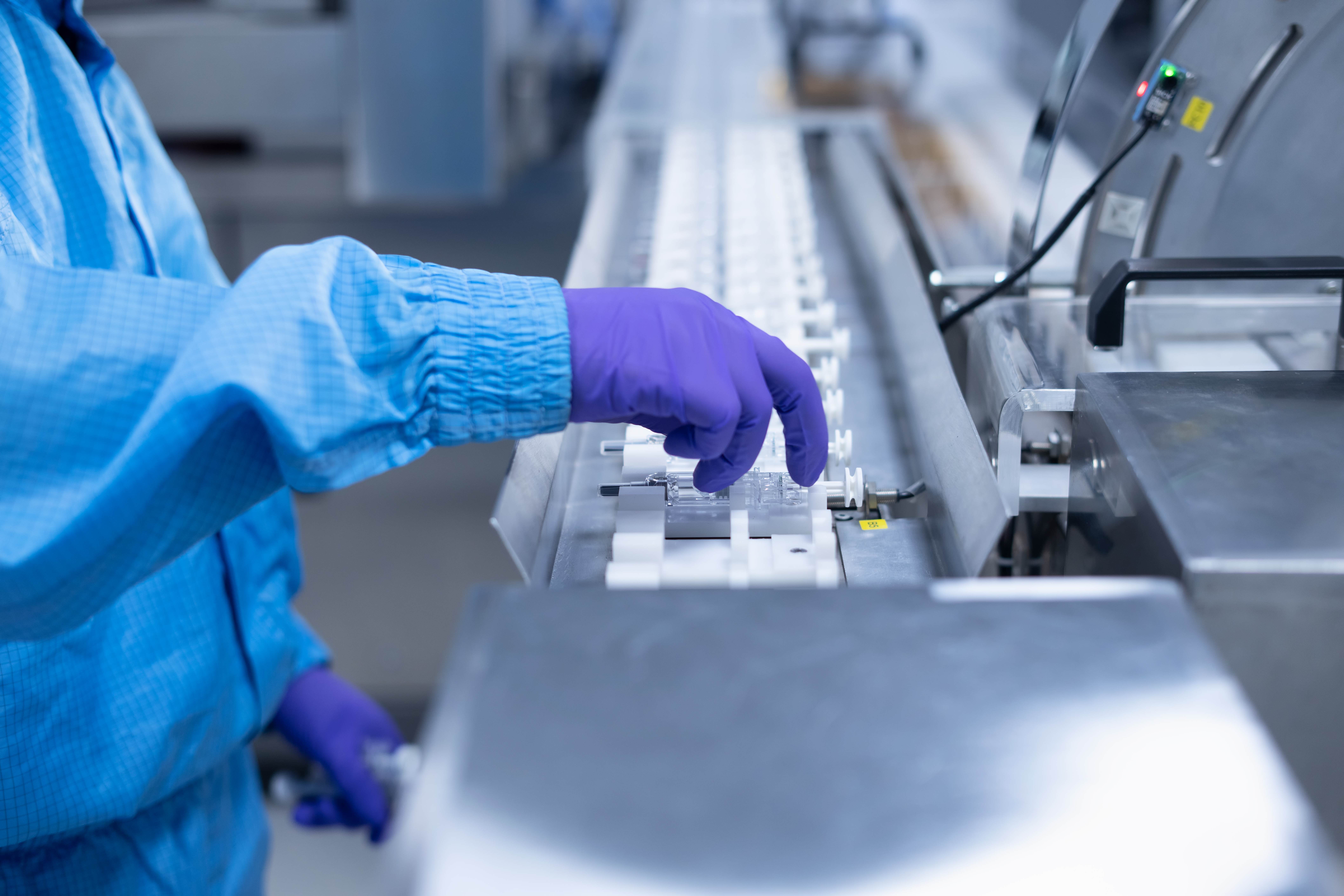
Assembly is one of the most critical aspects of drug-device-combination product manufacturing, requiring precise coordination between drug container, device components, and packaging systems.


At OneSource, assembly platforms are engineered to balance precision, flexibility, and scalability. These systems are designed to:

  • Handle multiple delivery system platforms within a single environment
  • Support both clinical-scale and commercial production
  • Enable rapid changeover between programs

Automation plays a central role in this approach. For larger-scale production, assembly processes are fully automated, with manual intervention limited to component handling. This reduces variability and minimizes the risk of assembly-related errors. At the same time, flexible assembly platforms allow early-stage programs to progress without requiring dedicated infrastructure, helping clients avoid unnecessary capital investment.

From Device to Dose: DDC at scale

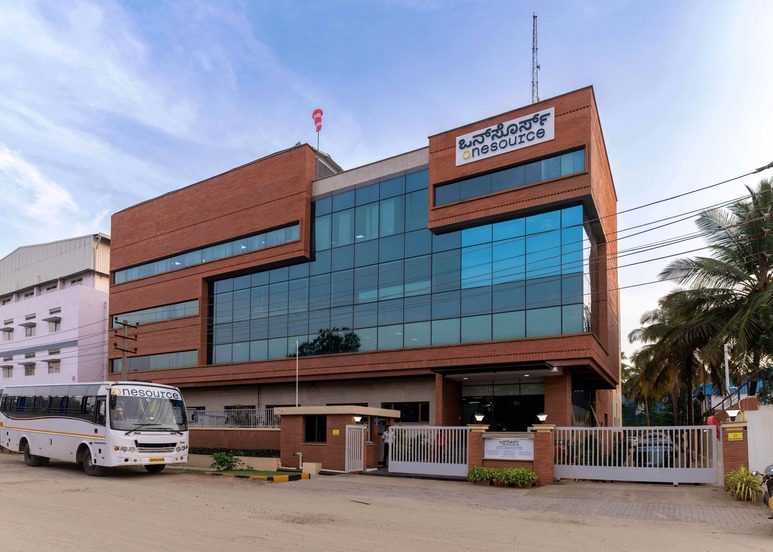
DDC programs at OneSource run on a dedicated Bangalore facility built to move seamlessly from device selection through automated assembly and fill-finish for commercial supply. Formulation, device engineering and assembly sit together, not in silos, so pen injectors, autoinjectors and pre-filled syringes move from concept to clinic ready with fewer handoffs and faster technology transfer.

Analytical, usability, and performance considerations

Combination products must perform reliably not only in controlled manufacturing environments, but in real-world use. This introduces additional layers of evaluation beyond traditional pharmaceutical testing.
At OneSource, performance is evaluated across multiple dimensions:

  • Device functionality and dose accuracy
  • Compatibility between drug and delivery system
  • Stability and integrity throughout handling and use

Equally important are usability considerations. Human factors engineering ensures that devices are intuitive, safe, and aligned with patient needs. This includes evaluating how users interact with the product, identifying potential points of error, and designing features that reduce risk.
Regulatory agencies increasingly require evidence of safe and effective use, often through simulated use studies and usability testing, making this an essential component of development.

Navigating Global Regulatory Complexity

Regulatory pathways for combination products vary significantly across regions, influencing both development strategy and product design. In the United States, expectations often focus on similarity to reference products and require extensive human factors data to demonstrate safe and consistent use. In Europe, regulatory frameworks may allow greater flexibility, provided that intended use and patient safety are clearly demonstrated.

OneSource supports clients across these global pathways, helping align development, documentation, and submission strategies with regional requirements. This includes support for:

  • Support design history file development
  • Human factors and usability studies
  • Regulatory documentation for global submissions
Learn more about our quality & compliance

Designed for execution at speed and scale

In combination product development, timing is often as critical as technical performance. OneSource is structured to deliver both.

Programs benefit from:

  • Established supplier partnerships across device and component ecosystems
  • High-capacity, automated assembly infrastructure
  • The ability to support multiple device platforms simultaneously

This enables accelerated timelines while maintaining quality, compliance, and consistency across production.

Resources & Insights

Industry Perspective

The quite revolution in how we take our medicine

The quite revolution in how we take our medicine Ravi Kumar, Global Head of Injectables & Corporate Strategy, Portfolio and SPO Published on Money Control, 05 Jun 2026 Three out of four…

Find Out More
On-Demand Webinar

Accelerating GLP-1 Peptides to Market Through Integrated Formulation & Analytical Development

GLP-1 peptide therapeutics are rapidly reshaping the treatment landscape for diabetes and obesity, increasing the need for robust formulation development and comprehensive analytical characterization strategies that enable safe, scalable, and market-ready drug…

Find Out More
Whitepaper

Driving the Shift to Subcutaneous Biologics

The subcutaneous shift has already happened. Is your pipeline ready? In 2000–2004, 25% of FDA biologic approvals were device-based. By 2023-2025, 74% were. OneSource delivers the complete subcutaneous (SC) development stack –…

Find out more

Start Your Therapeutic Program with OneSource

Reach out to us